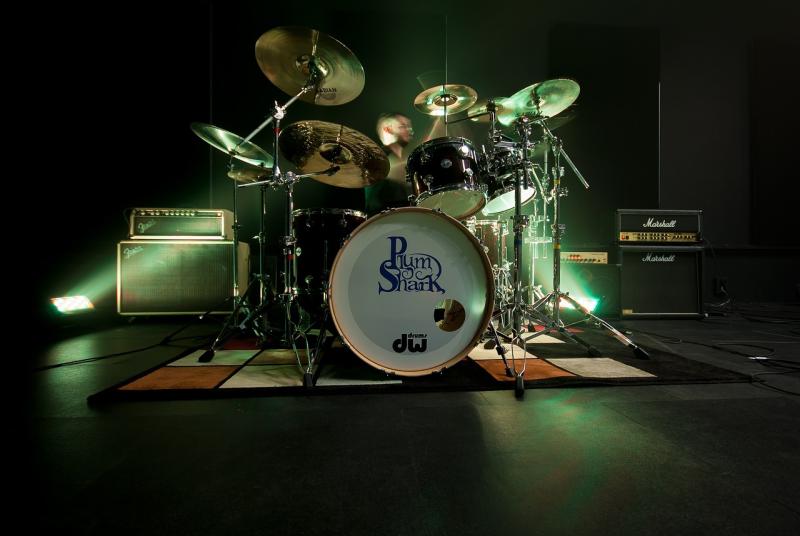
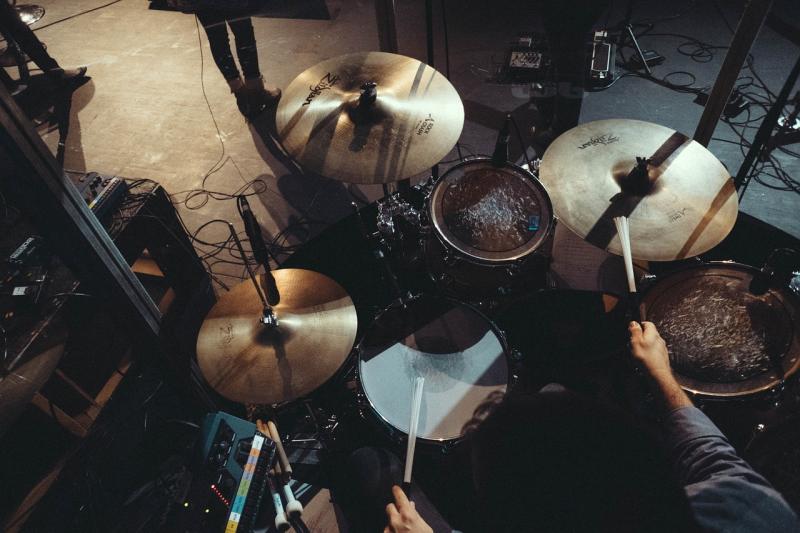
Getting started with drumming can feel overwhelming, but it doesn't have to be. Just like learning anything new, having a solid grasp of the basics is key. Focus on these essential techniques to build your foundation.
First off, work on your stick grip. Hold the drumsticks comfortably, not too tight. Practice different grips like the matched grip or traditional grip to see which one feels right for you. A good grip gives you control over your sound.
Next, practice simple drumming patterns. Try basic rock beats or grooves. These patterns will help you get comfortable with staying on beat and coordinating your limbs. Use a metronome to keep your timing steady. Start slow, then gradually increase the speed as you get better.
Don't forget about rudiments! These are the building blocks of drumming. Simple sticking patterns like single strokes, double strokes, and paradiddles will strengthen your hands and improve your technique. Spend some time each practice session focusing on these rudiments, and you’ll notice a huge difference.
Lastly, listen to music and play along. Pick your favorite songs and try to match the drumming. This not only makes practice fun, but it also helps you develop your ear for rhythm and timing. Plus, it's a great way to apply what you’ve learned in a real musical setting.
Explore Different Drumming Styles
There’s a whole world of drumming styles out there, and diving into different ones can really up your game. Whether you’re into rock, jazz, funk, or metal, each style has its own unique feel and techniques. Let’s break down a few popular ones.
Rock drumming is often your go-to for powerful beats and driving rhythms. Think big fills and straightforward patterns that get everyone moving. If you want to play in a band, mastering rock drumming gives you that solid foundation. You’ll learn how to lock in with the bass and create an infectious groove.
Jazz drumming takes a different approach. It's all about being fluid and dynamic. You'll focus on improvisation and subtlety, which means lots of cool rhythms and syncopation. Jazz drummers get to really express themselves, which can be a lot of fun. Plus, it makes you a versatile player since unexpected changes in songs are common.
If you're into funk, expect to bring in some crazy grooves. Funk drumming often features those tight, crisp snare hits and complex hi-hat patterns that make you want to dance. It’s all about finding that pocket and locking in with the bass guitar. You’ll be creating beats that are not just heard but felt.
Metal drumming pushes your skills to the limit. You’ll need speed and precision to tackle those fast double bass patterns and intricate fills. Metal drummers really showcase their technical skills, and getting into this style can significantly improve your overall drumming technique. Just be ready to sweat!
Practice with Fun Exercises
Practicing your drumming skills doesn’t have to be a drag. In fact, it can be a blast! Mixing in some fun exercises helps keep your motivation high. Here are a few ideas to spice up your practice sessions.
First off, try playing along with your favorite songs. Find tracks that match your skill level and jam along. This gets you in the groove and helps you understand timing and rhythm. You can even challenge yourself by picking a song that’s a bit faster or has tricky drum patterns.
Next, set up a drumming game. Grab a friend, or even go solo, and invent challenges. Maybe you can do a speed challenge to see how many beats you can play in one minute. Or try a call and response exercise where you play a rhythm and have someone repeat it back. This makes practicing feel like playing, not just work.
Don’t forget about incorporating percussion instruments. Use items around the house like pots, pans, or even your desk. Get creative and make those sounds part of your practice. It’s a great way to develop your timing and enhance your musicality.
Finally, keep things fresh by switching up your practice routine. One day, focus on stick control and the next move to grooves or fills. The key is to keep things exciting while also working on the fundamentals. You’re not just playing; you’re having fun while becoming a better drummer!
Record and Review Your Progress
Tracking your drumming progress can be super motivating. When you can see how far you’ve come, it gives you that boost to keep going. Think of it like taking snapshots of your growth. Plus, it helps you spot areas where you may need a little more practice.
Try keeping a practice journal. Write down what you worked on each day, how long you practiced, and what you found easy or challenging. This doesn’t have to be fancy; even a simple notebook will do the trick. You can also add in any new beats or songs you learned. This way, you can look back and see your progress over time.
Another great idea is to record your drumming sessions. Use your phone or a simple recording device. Listening back can be eye-opening. You might hear things you didn’t notice while playing, like timing issues or areas where you need to beef up your technique. Plus, it's always cool to hear your own improvements!
Set specific goals too. Maybe you want to nail a certain beat or increase your speed. Write those down alongside your practice notes. This helps keep you focused and makes it easier to see when you've hit those targets. Celebrate those wins, no matter how small!
Don’t forget to share your journey with friends or fellow drummers. They might offer tips or encouragement that can really help. Plus, it’s fun to swap stories about your progress!